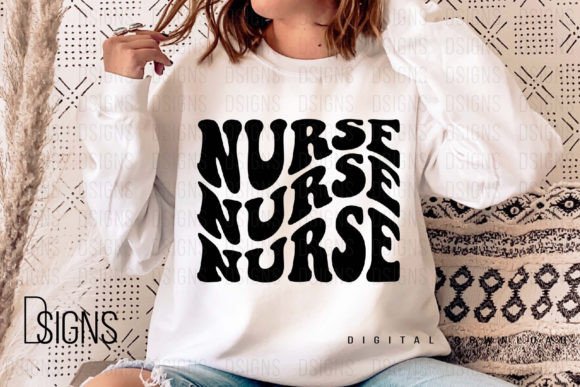
Retro Groovy Nurse Sublimation Png: A Practical Guide to Quality and Application
The resurgence of 1970s aesthetics in medical apparel and accessories has created a significant demand for vintage-inspired graphics. When creators search for a Retro Groovy Nurse Sublimation Png, they are typically looking for more than just a clipart image; they are seeking a specific nostalgic vibe that resonates with modern nursing professionals who appreciate retro typography and floral motifs. This digital asset serves as a foundational element for heat transfer projects, allowing makers to produce custom tumblers, t-shirts, and badges that stand out in a saturated market. However, the success of your final product relies heavily on understanding the technical specifications and limitations of the file you are downloading.
Immerse yourself in the realm of digital creativity with this instant download of high-quality PNG files, specifically designed for a myriad of projects. From t-shirt designs to inventive DIY endeavors, these graphics can elevate your aesthetic game. More than just apparel, they can be the perfect embellishments for handmade cards, framed artwork, custom phone cases, bags, and mugs. If you want to make your stickers, tumblers, or any other items more vibrant and attractive, this is your go-to digital resource. Yet, even the best design can fail if applied incorrectly. Understanding what you are buying prevents wasted materials and frustration.
Understanding File Specifications Before You Create
A common oversight among both beginners and experienced sublimation users is assuming all PNG downloads are universally compatible with every project size. It is vital to recognize the specific parameters of this Retro Groovy Nurse Sublimation Png package to ensure it meets your production needs. You get two PNG files in black and white, rendered at 300 dpi with a transparent background. The longest side measures exactly 10 inches, and the files are not editable.
This "not editable" specification is perhaps the most critical detail to internalize before purchasing. Many creators mistakenly assume they can recolor elements, separate layers, or resize vector components within a standard raster PNG. Because this file is a flattened image, you cannot change the flower colors from orange to blue or adjust the text font without advanced pixel manipulation skills. If your business model relies on offering multiple color variations of the same nurse design, you must plan your workflow accordingly. You might need to use this graphic as a base layer and build color overlays in your design software, rather than expecting the file to provide those options natively.
The Resolution Reality Check
While 300 dpi is the industry standard for high-quality printing, the physical dimensions dictate the true usability. A 10-inch longest side at 300 dpi means the total pixel count is fixed. Stretching this image to fit a 14-inch t-shirt back print will result in pixelation and blurriness. This degradation happens because the software must invent pixels that do not exist, leading to muddy lines and jagged edges on the final pressed item.
To avoid this quality loss, always measure your intended print area before starting your design. If you are creating a full-front adult shirt design that requires a 12-inch width, this specific Retro Groovy Nurse Sublimation Png may not be suitable as the primary focal point. Instead, consider using it as a pocket-sized logo, a sleeve accent, or part of a collage where the smaller scale works to your advantage. For larger applications, verify if a vector version or a higher-resolution raster alternative is available. Making this assessment beforehand saves you from pressing a blurry image onto an expensive garment.
Navigating Color Management in Black and White Assets
Receiving a black and white graphic when expecting a pre-colored retro design can lead to disappointment if you are unprepared. However, this limitation is actually a strategic advantage for professional printers. Black and white line art provides maximum flexibility for color grading. The mistake lies in treating the black lines as immutable barriers rather than a coloring book template.
When working with these monochrome files, utilize blending modes in your design software. Setting the PNG layer to "Multiply" allows you to place colorful textures, gradients, or watercolor splashes underneath the line art without obscuring the details. This technique preserves the crispness of the retro nurse illustration while allowing you to customize the palette to match specific hospital unit colors or seasonal themes. Beginners often try to color over the lines using opaque brushes, which results in a flat, amateurish appearance. Embracing the transparency and layering capabilities transforms a simple B&W download into a versatile design system.
Transparent Background Best Practices
The inclusion of a transparent background is essential for sublimation, but it introduces its own set of handling errors. A frequent issue occurs when designers inadvertently add a white background layer during the export process from their editing software to the printer RIP software. In sublimation, white ink does not exist; the printer leaves white areas blank. If your file has a solid white box behind the nurse graphic, that box will transfer as a stiff, uncolored polyester coating on dark fabrics or appear as an unwanted border on colored tumblers.
Always double-check your canvas settings before printing. Ensure that the checkerboard pattern indicating transparency is visible in your final print layout. Additionally, be mindful of anti-aliasing artifacts. Sometimes, removing a background leaves a faint gray halo around the black lines. While this Retro Groovy Nurse Sublimation Png comes pre-cleaned, your own adjustments or resizing can reintroduce these fringes. Using a slight choke or spread function in your RIP software, or applying a minimal outer glow matching the fabric color, can help blend these edges seamlessly into the substrate.
Strategic Project Selection for Non-Editable Files
Because these files are static, your project selection should align with the graphic's strengths. Retro groovy aesthetics thrive on bold contrasts and vintage textures. Rather than forcing this design onto unsuitable products, lean into applications where the 10-inch scale and B&W format excel.
- Tumbler Wraps: The 10-inch height is often perfect for standard 20oz skinny tumbler wraps. Use the B&W lines as an overlay on a colorful gradient background.
- Pocket Tees: Scale the design down to 4-5 inches for a left-chest placement. This avoids the resolution issues associated with full-back prints.
- Glass Can Libbey Glasses: These trendy 16oz glasses require smaller, detailed artwork. The high DPI ensures the intricate retro flowers remain sharp on the curved glass surface.
- ID Badge Reels: Print multiple small versions on a single sheet to create custom badge reels for nursing staff. The non-editable nature is less of a hindrance here since uniformity is desired.
Evaluating Value Beyond the Price Tag
When evaluating whether this digital download is right for your business, look beyond the initial cost. Consider the time investment required to adapt a non-editable file versus purchasing a fully layered SVG. If you lack the skills to effectively colorize raster images or work within strict dimensional constraints, the lower price of this PNG might actually cost you more in labor hours and test prints.
Conversely, for creators who have established workflows for coloring line art and understand resolution management, this Retro Groovy Nurse Sublimation Png offers exceptional value. It eliminates the complexity of managing dozens of vector layers and provides a consistent, hand-drawn aesthetic that is difficult to replicate with automated tools. The key is honest self-assessment regarding your technical capabilities and project requirements.
Ultimately, successful sublimation is about matching the asset to the application. By respecting the 10-inch limit, leveraging the transparent background correctly, and viewing the black-and-white format as a creative opportunity rather than a restriction, you can produce professional-grade merchandise. Take the time to test print on scrap material before committing to final production. Verify that the retro style aligns with your target audience's preferences and that the file integrity holds up under heat and pressure. Informed decisions lead to better products, fewer wasted blanks, and a more sustainable creative practice.