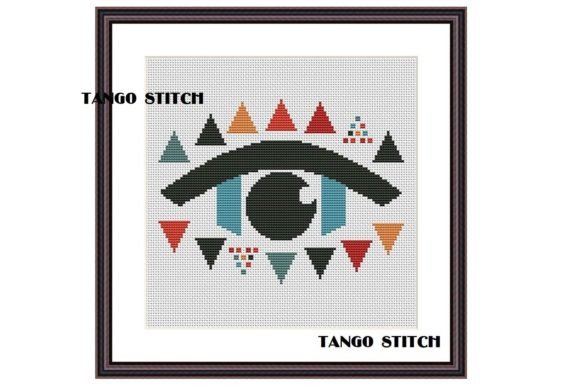
Abstract Eye Easy Cross Stitch Pattern: Integrating Geometric Design into Your Creative Workflow
In the realm of textile arts and creative hobbies, efficiency and aesthetic impact often exist at opposite ends of the spectrum. Complex designs demand significant time investment and mental energy, while simpler projects can sometimes lack visual depth. The Abstract Eye Easy Cross Stitch Pattern bridges this gap by offering a high-impact geometric design that relies exclusively on full stitches. For professionals, educators, and hobbyists managing tight schedules, this pattern represents a strategic intersection of accessibility and artistic sophistication. It functions not merely as a craft project, but as a manageable creative asset that fits seamlessly into a broader productivity or relaxation workflow.
This specific design, featuring an intricate geometric eye motif, serves multiple functional roles depending on where you are in your creative journey. Whether utilized as a skill-building exercise for beginners, a mindfulness practice for busy entrepreneurs, or a portfolio piece for content creators, the pattern’s structure supports varied outcomes without requiring advanced technical proficiency. By limiting the stitch type to full crosses, the cognitive load is reduced, allowing the stitcher to focus on color placement, tension consistency, and the meditative rhythm of the process rather than complex chart interpretation.
Strategic Application Across Project Phases
Integrating the Geometric eye abstract cross stitch pattern into your routine requires understanding its utility before, during, and after the execution phase. Unlike freeform embroidery which demands constant decision-making, this pattern provides a structured framework that aids in planning and resource allocation.
Pre-Project Planning and Resource Assessment
Before threading a needle, this pattern acts as a low-risk testing ground for materials and workspace ergonomics. Because the design uses only full stitches, it is an ideal candidate for evaluating new fabric counts or thread brands without the fear of ruining expensive linen with specialized stitches. Professionals using crafting as a content vertical can use this phase to photograph flat lays, organize thread bobbins, and document the setup process. The included PDF key allows for precise material calculation, ensuring that procurement is accurate and waste is minimized. This preparation stage establishes a baseline for quality control that carries through to more complex future projects.
Execution as Active Recovery or Skill Maintenance
During the stitching phase, the Abstract Eye Easy Cross Stitch Pattern operates as a tool for active recovery. For individuals in high-cognitive professions such as marketing, education, or software development, the repetitive nature of full stitches induces a flow state that differs from passive consumption like watching television. It engages the hands and eyes just enough to prevent rumination while allowing the mind to rest. Conversely, for expert stitchers between major commissions, this pattern serves as a maintenance drill. It keeps muscle memory sharp and tension consistent without the emotional weight of a large-scale heirloom project. The geometric nature of the eye design also makes it excellent for practicing color blending and gradient transitions within a confined, predictable grid.
Post-Completion Integration and Display
After completion, the finished piece integrates into physical or digital environments. The abstract, modern aesthetic of the geometric eye avoids the dated look of traditional samplers, making it suitable for contemporary office spaces, studios, or home decor. For digital creators, the finished work becomes evergreen content. Because the design is visually striking yet simple, it photographs well for social media, blog headers, or newsletter assets. The "mystique" mentioned in the design description translates effectively to visual storytelling, allowing creators to discuss themes of perception, focus, or creativity alongside the technical aspects of the craft.
Optimizing the Digital Asset Ecosystem
The usability of any cross stitch pattern depends heavily on how the information is organized and presented. Tango Stitch has structured the Abstract Eye Easy Cross Stitch Pattern deliverables to minimize friction during the stitching process. Understanding how to leverage these specific PDF components enhances efficiency and reduces eye strain.
- Main Embroidery Image: Use this as your primary reference for overall color balance. Keep it visible on a tablet or printed out to maintain a holistic view of the design, preventing tunnel vision that can lead to color discrepancies.
- The Key: This page correlates symbols to thread colors. For workflow optimization, consider transcribing this data into a spreadsheet or project management app if you prefer tracking progress digitally. This also allows for easy substitution if specific DMC or Anchor shades are unavailable.
- Standard Color and Black Symbol Pages: These two pages serve as the master map. They are best used for initial orientation and checking large sections of the pattern. Printing these at 100% scale is usually sufficient for those with good vision and adequate lighting.
- Zoomed Color Symbols (4 Pages): This is the critical usability feature for extended sessions. By breaking the pattern into four enlarged sections, the designer eliminates the need for constant squinting or magnification. This directly impacts longevity; reducing eye fatigue allows for longer, more comfortable stitching sessions, which is essential for hobbyists fitting craft time into evenings or weekends.
- Zoomed Black Symbols (4 Pages): Essential for low-light conditions or for stitchers who find color symbols distracting. High-contrast black symbols reduce cognitive processing time when identifying stitch locations, speeding up execution and reducing error rates.
Technical Compatibility and Material Selection
While the pattern specifies full crosses, the final outcome is heavily dependent on the interaction between the chart and your chosen substrate. The attached pictures in the pattern file provide specific guidance on fabric and threads, but understanding the underlying principles ensures better results.
For this geometric design, fabric choice dictates the level of abstraction. A higher count fabric (16ct or 18ct Aida, or 32ct+ linen) will render the eye with smoother lines and greater detail, enhancing the "intricate" quality described. Lower count fabrics will emphasize the pixelated, retro-digital aesthetic. When selecting threads, verify the dye lot numbers before starting. In geometric patterns, color consistency is paramount; even slight variations in shade can disrupt the symmetry of the eye. If substituting threads, test the coverage on a scrap of your chosen fabric first. Full stitches should completely cover the fabric holes to achieve the professional finish expected of Tango Stitch designs.
Workflow Efficiency and Quality Control
Treating this cross stitch pattern as a structured project rather than an unstructured activity improves both the experience and the result. Implementing basic quality control measures prevents the need for rework, which is the primary killer of creative momentum.
- Grid Marking: Before stitching, mark the center and quadrant lines on your fabric with water-soluble pen or tacking thread. Aligning these with the zoomed pattern pages creates a coordinate system that drastically reduces counting errors.
- Parking Method vs. Cross-Country: Given the geometric nature of the Abstract Eye Easy Cross Stitch Pattern, decide on your stitching method early. The "cross-country" method (completing one color at a time) works well for solid blocks of color in the background. However, for the detailed iris area, a modified parking method may preserve the integrity of the geometric lines and prevent distortion.
- Tension Monitoring: Check your tension every few inches. Geometric patterns show uneven tension more readily than organic floral designs. Using a hoop or frame is recommended over hand-holding to maintain consistent fabric tautness.
- Progress Tracking: Use the zoomed PDF pages to mark off completed sections. This provides immediate visual feedback and a sense of accomplishment, reinforcing the habit loop necessary for long-term engagement with the craft.
Licensing and Ethical Usage in Professional Contexts
For creators, bloggers, and small business owners, understanding the intellectual property boundaries is a non-negotiable part of the workflow. Tango Stitch patterns, including this geometric eye design, are licensed strictly for personal use. This distinction is vital for anyone integrating the pattern into a public-facing workflow.
You are permitted to create the physical item for personal enjoyment, gifting, or display. You may also document the process and the finished physical object for content creation, reviews, or portfolio display. However, redistributing the PDF, selling the digital pattern, or creating derivative digital products based on the chart is prohibited by law. Respecting these terms protects the ecosystem of independent designers and ensures the continued availability of high-quality, professionally drafted patterns. When sharing your work online, always credit the designer and link back to the original source. This ethical practice builds trust with your audience and supports the sustainable creation of the resources you rely on.
Long-Term Value and Skill Transfer
The Abstract Eye Easy Cross Stitch Pattern offers value beyond the immediate satisfaction of completion. Its reliance on full stitches makes it a foundational text for understanding color theory and geometric composition in fiber arts. The skills refined here—precise counting, tension management, and color interpretation—are directly transferable to more complex mixed-stitch projects in the future.
Furthermore, for those using crafting as a mechanism for mental health or productivity management, this pattern serves as a reliable anchor. Its predictable structure provides a safe container for creativity when other areas of life feel chaotic. By viewing this pattern through the lens of workflow integration rather than just leisure, stitchers can maximize both the tangible output and the intangible benefits of the craft. Whether you are a beginner seeking a confident start or an expert needing a palate cleanser, this design delivers a balanced, efficient, and aesthetically rewarding experience.