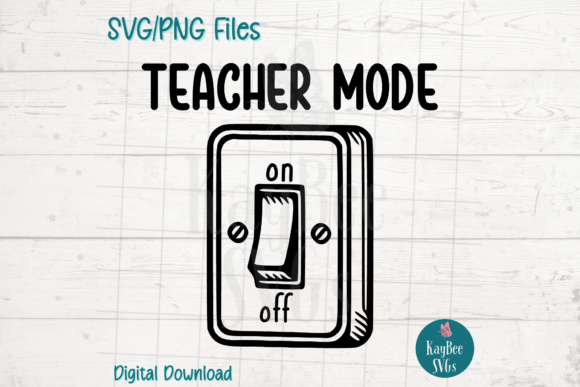
Teacher Mode On: Evaluating Design Versatility and Technical Compatibility for Modern Crafting
The phrase "Teacher Mode On" has evolved from a simple classroom management concept into a distinct aesthetic category within the digital design marketplace. For craft enthusiasts and DIY aficionados, this specific design style represents more than just typography; it signals a blend of professional identity, relatable humor, and seasonal relevance. When evaluating resources like KayBee SVGs or similar curated collections, understanding the technical and stylistic nuances of this niche is essential for making informed purchasing decisions. The market is saturated with educator-themed graphics, but not all files offer the same level of utility across different platforms. Distinguishing between a novelty graphic and a versatile production asset requires a careful assessment of file formats, scalability, and intended application.
Defining the Aesthetic and Functional Scope
In the context of digital crafting, "Teacher Mode On" designs typically bridge two distinct categories: occupational pride and lifestyle branding. Unlike generic school supplies clipart or vintage educational diagrams, this style focuses on the personal identity of the educator. It is often characterized by bold, readable typography, retro color palettes, or minimalist line art that translates well to modern merchandise. When researching options, it is important to recognize that this aesthetic serves a dual purpose. It functions as professional apparel for the classroom while simultaneously serving as personalized decor or gifts.
This duality impacts how you should evaluate a design file. A graphic intended solely for a t-shirt may lack the resolution or composition necessary for wall art. Conversely, a complex illustration designed for sublimation might be too detailed for vinyl cutting on darker fabrics. High-quality collections distinguish themselves by offering variations that respect these technical boundaries. When comparing products, look for designs that have been specifically optimized for their end-use rather than generic files repurposed for multiple applications without adjustment.
Technical Compatibility Across Cutting Machines
For users of Cricut, Silhouette, and other cutting machines, file compatibility is the primary decision factor. While most vendors advertise universal compatibility, the practical experience varies significantly based on how the "Teacher Mode On" design was constructed. Vector-based SVGs are the industry standard for cutting because they allow for infinite scaling without pixelation. However, not all SVGs are created equal. Poorly converted vectors may contain open nodes, overlapping paths, or excessive anchor points that cause cutting errors or software lag.
When evaluating a design resource, consider the following technical distinctions:
- Node Optimization: Clean designs use the fewest possible nodes to create smooth curves. This reduces processing time and prevents jagged edges on vinyl or cardstock.
- Layer Management: Multi-color designs should be properly grouped and layered. If a design requires manual welding or extensive cleanup before cutting, it adds friction to the workflow.
- Text Editability: Some designers outline text to prevent font substitution issues, while others keep it editable. For "Teacher Mode On" projects where personalization (e.g., adding a name or grade level) is desired, editable text layers or included font references are superior to static outlines.
Comparatively, raster formats like PNG or JPG serve a different function. They are ideal for print-then-cut features or direct-to-garment printing but are unsuitable for precision vinyl weeding. A comprehensive resource provides both vector and raster options, acknowledging that a single design may need to serve multiple production methods.
Evaluating Suitability for Sublimation and Printable Art
The transition from cutting to printing introduces new evaluation criteria. For sublimation on mugs, tumblers, and polyester apparel, color vibrancy and resolution are paramount. Designs marketed under the "Teacher Mode On" theme must account for the color shift that occurs during the heat press process. Muted or poorly contrasted designs may appear washed out after transfer. When comparing alternatives, prioritize files that include high-resolution (300 DPI) transparent PNGs specifically sized for common blanks. Generic sizing often leads to stretching or pixelation, whereas purpose-built files maintain integrity.
Printable art presents another set of tradeoffs. A design that looks excellent on a dark t-shirt may fail as framed wall art due to background transparency or color profile mismatches. Professional-grade printable art requires CMYK color profiles for accurate home or commercial printing, whereas screen-based designs often use RGB. When selecting a "Teacher Mode On" piece for home decor, verify whether the vendor provides print-ready files with bleed margins and appropriate color spaces. This distinction separates decorative novelties from genuine interior design assets.
Comparing Curated Collections vs. Individual Marketplaces
Crafters often face a choice between purchasing individual designs from large open marketplaces or investing in curated bundles from specialized studios like KayBee SVGs. Each approach offers distinct advantages depending on your project volume and quality requirements.
Open Marketplace Options
Large platforms offer immense variety and lower price points per unit. They are excellent for one-off projects or testing new trends. However, consistency is a significant tradeoff. File naming conventions, layer structures, and artistic styles vary wildly between sellers. You may spend considerable time cleaning up files or troubleshooting compatibility issues. For "Teacher Mode On" designs, this can result in a disjointed aesthetic if you are creating matching sets for a team or event.
Curated Studio Collections
Specialized resources focus on cohesion and technical reliability. The tradeoff is typically a higher upfront cost or a subscription model. However, the value proposition lies in standardized quality assurance. Designs within a curated collection share consistent stroke weights, color harmonies, and file organization. For educators creating coordinated classroom decor or staff apparel, this consistency reduces decision fatigue and production time. The assurance that every file has been tested on relevant machinery minimizes material waste, which can offset the initial investment over time.
Decision Factors for Different Skill Levels
Your experience level should heavily influence which version of a "Teacher Mode On" design you select. Beginners often benefit from pre-layered, simplified designs that require minimal software manipulation. Complex, multi-layered files with intricate details can be frustrating for those still learning weeding techniques or software navigation. Resources that categorize designs by difficulty or provide assembly instructions offer significant value to this demographic.
Advanced crafters and small business owners, conversely, require flexibility. They may prefer raw vector files with editable elements, allowing them to customize the "Teacher Mode On" concept for specific niches or client requests. For this group, the ability to modify colors, resize elements independently, and integrate the design into larger compositions is more valuable than convenience. When evaluating products, advanced users should scrutinize licensing terms as well. Personal use licenses suffice for hobbyists, but commercial licenses are mandatory for selling finished goods. Understanding these legal distinctions is as critical as assessing technical quality.
Identifying Limitations and Best-Fit Scenarios
No single design style or vendor is universally optimal. "Teacher Mode On" aesthetics are inherently trend-dependent. While currently popular, highly stylized retro or groovy versions may feel dated within a few years. Classic, minimalist interpretations tend to have longer shelf lives. If longevity is a priority, compare trendy options against timeless alternatives.
Additionally, consider the limitations of your own equipment. Intricate engraving designs require specialized bits and materials; attempting to replicate these with standard vinyl cutters will yield poor results. Similarly, large-format printable art demands printers capable of handling specific paper weights and sizes. Before purchasing, cross-reference the design specifications with your hardware capabilities. A design is only as good as your ability to execute it.
Ultimately, the right choice depends on balancing aesthetic preference with technical reality. For those seeking reliable, multi-platform assets that honor the educator identity without sacrificing production quality, curated sources offer a streamlined path. For explorers prioritizing variety and low-cost experimentation, broader marketplaces remain viable. By focusing on file integrity, format suitability, and long-term usability rather than surface-level appeal, crafters can build a digital library that supports sustainable creativity and professional-grade results.