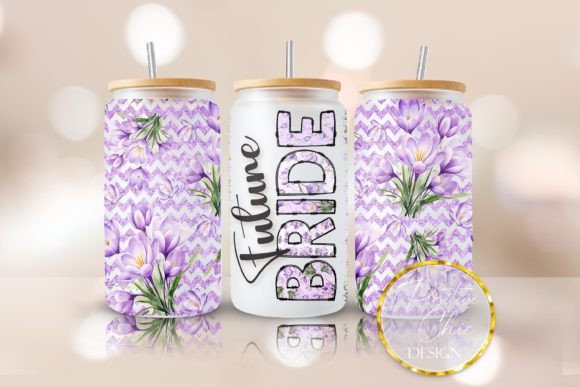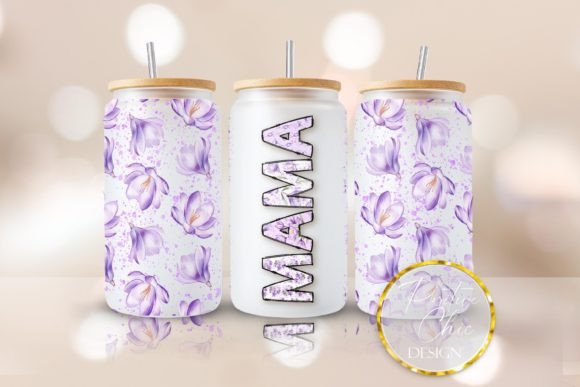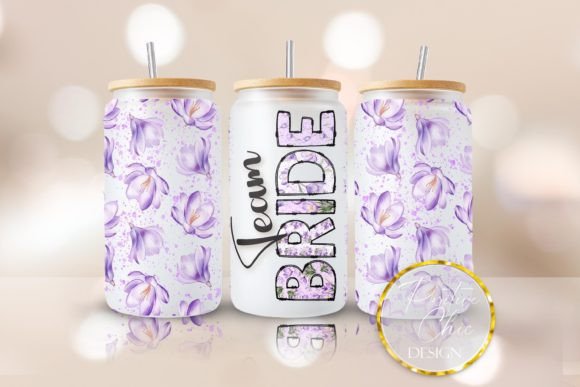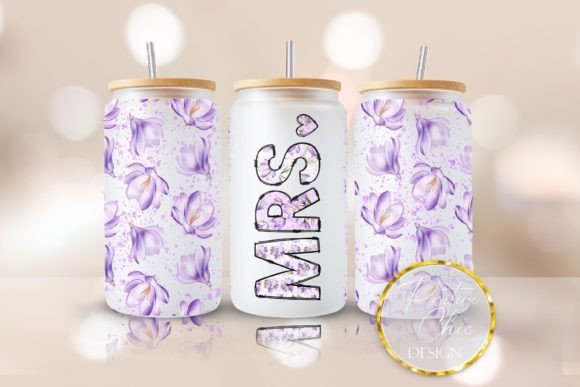
Elevating Drinkware: A Guide to Future Mrs Libbey Glass Can Wraps and UVDTF Technology
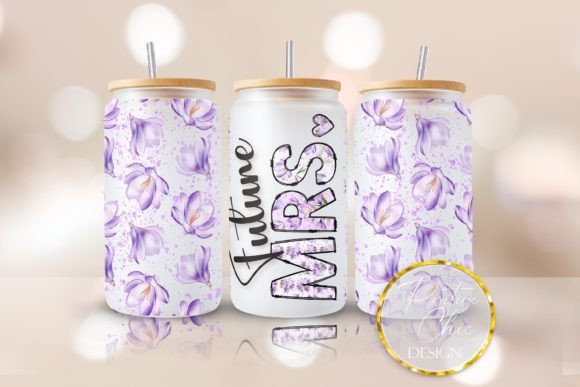
In the ever-evolving world of personalized drinkware, the intersection of traditional craftsmanship and modern printing technology has created exciting new opportunities for creators and consumers alike. Among the most popular trends in custom tumblers is the "Future Mrs" aesthetic, specifically designed for the iconic 16 oz Libbey glass can tumbler. Whether you are a bride-to-be looking for the perfect bachelorette party favor, a small business owner expanding your product line, or a hobbyist exploring digital design, understanding the nuances of Future Mrs Libbey Glass Can Wrap UVDTF designs is essential. This guide explores the significance of these designs, the technology behind them, and how to effectively utilize high-resolution PNG files to create stunning, professional-grade glassware.
The Cultural Significance of the "Future Mrs" Design
To understand the market demand for this specific sublimation design, one must first appreciate its cultural context. The "Future Mrs" motif is more than just typography; it is a celebratory marker of transition. In modern wedding culture, personalized drinkware has moved beyond simple gifts to become integral parts of the event experience itself. These tumblers serve as functional props for photography, practical hydration vessels during long celebration days, and lasting keepsakes for bridal parties.
The 16 oz Libbey glass can tumbler has emerged as the gold standard canvas for this trend. Its straight walls and smooth surface provide an ideal area for wrapping designs without distortion. Unlike tapered tumblers that require complex warping in design software, the Libbey can shape allows for straightforward application. When a user searches for a Future Mrs Libbey Glass Can Wrap, they are typically seeking a design that balances elegance with readability, ensuring the personalization looks intentional and high-end rather than generic.
Understanding UVDTF vs. Traditional Sublimation
A common point of confusion for beginners entering the custom cup space is the distinction between sublimation and UVDTF (Ultraviolet Direct-to-Film). While the product description mentions "sublimation design," the inclusion of UVDTF in the keywords highlights a crucial versatility in modern crafting.
What is Sublimation?
Sublimation is a chemical process where heat and pressure turn solid ink into gas, bonding it permanently with polymer coatings or polyester fabrics. For glass tumblers, this requires the glass to be specially coated with a poly-sublimation layer. The result is a smooth, integrated feel where the image becomes part of the surface. However, sublimation has limitations: it generally cannot produce white ink (the glass color acts as the white), and it requires specific heat equipment like mug presses or convection ovens.
The Rise of UVDTF
UVDTF technology has revolutionized how we approach glass wraps. Unlike sublimation, UVDTF prints directly onto a film using UV-curable inks, including white underbases and varnish topcoats. This transfer can then be applied to almost any hard surface, including uncoated glass, ceramics, and metal. The mention of UVDTF in relation to this 16 OZ Libbey Glass Tumbler Wrap suggests that the design is optimized for both methods. For creators, this means a single high-resolution PNG file can serve dual purposes: creating smooth sublimated cups for those with heat presses, or textured, raised-ink UVDTF decals for those utilizing newer cold-peel technologies.
Technical Specifications: Why 300 DPI and Dimensions Matter
When purchasing or downloading an Instant Digital Download PNG, technical specifications are not merely suggestions; they are the blueprint for quality. The product details specify a 300 DPI resolution at approximately 9.3 x 5.3 inches. Understanding these metrics prevents wasted materials and frustration.
- Resolution (300 DPI): Dots Per Inch (DPI) measures print density. Screen displays typically use 72 DPI, which looks crisp on a monitor but pixelated when printed. 300 DPI is the industry standard for physical printing, ensuring that intricate script fonts and fine lines in the "Future Mrs" design remain sharp against the curved glass surface.
- Dimensions (9.3 x 5.3 Inches): Precision sizing is critical for full wraps. The circumference of a standard 16 oz Libbey can glass dictates the width, while the height accounts for safe zones near the rim and base. A file sized exactly to these dimensions eliminates the need for guessing or stretching, which can distort aspect ratios and ruin the elegance of calligraphy.
- PNG Format: Portable Network Graphics support transparent backgrounds and lossless compression. This is vital for tumbler wraps because it preserves edge clarity. Unlike JPEGs, which introduce compression artifacts, PNGs maintain the integrity of solid colors and gradients necessary for professional drinkware.
Practical Application: From Digital File to Physical Product
Acquiring the design is only the first step. Translating a digital PNG into a tangible product requires workflow discipline. Below is a generalized process for utilizing this instant download effectively.
- File Verification: Immediately upon download, open the file in your design software (such as Photoshop, Illustrator, or specialized RIP software) to verify dimensions. Do not assume the file size is correct based solely on the listing description.
- Mirror Printing (For Sublimation): If using traditional sublimation, remember to mirror the image horizontally before printing. UVDTF transfers typically do not require mirroring as they are applied face-up, but always consult your specific printer’s guidelines.
- Color Management: Screens emit light (RGB), while printers use pigment (CMYK). Colors often appear duller on screen than in print. Utilize ICC profiles specific to your printer and ink combination to ensure the blush pinks, golds, or blacks in the "Future Mrs" design match your expectations.
- Application Technique: For Libbey cans, alignment is key. Use heat-resistant tape to secure the wrap seam. If using UVDTF, burnish the transfer thoroughly with a squeegee to remove air bubbles before peeling the carrier sheet. The raised texture of UVDTF adds a tactile luxury that complements the visual design.
Common Misunderstandings and Best Practices
Even experienced crafters encounter hurdles when working with specialized tumbler wraps. Clarifying these misconceptions ensures better outcomes.
Misconception: "I can resize this file significantly without quality loss."
While vector files (SVG/EPS) are infinitely scalable, this product is a raster PNG. Enlarging it beyond 9.3 x 5.3 inches will result in blurriness. Conversely, shrinking it too much may cause fine details to disappear during the printing process. Always work within the intended size parameters.
Misconception: "UVDTF and Sublimation feel exactly the same."
They do not. Sublimation dyes the coating, resulting in a smooth finish. UVDTF sits on top of the surface with a palpable texture and varnish shine. Educating customers about this difference manages expectations regarding the final hand-feel of the tumbler.
Misconception: "Digital downloads include cut files."
As explicitly noted, NO SVG files are included. This is a print-ready wrap, not a vinyl cut file. Attempting to send this PNG to a vinyl cutter without proper tracing will fail. Recognizing the file type prevents software errors and material waste.
The Role of Instant Downloads in Modern Creativity
The availability of Instant Digital Download assets represents a shift in how creative businesses operate. In previous decades, custom designs required hiring a graphic artist for each variation, leading to long turnaround times and high costs. Today, high-quality, pre-sized templates democratize access to professional aesthetics.
For small business owners, this efficiency translates to scalability. A creator can purchase a licensed "Future Mrs" wrap and immediately begin production without waiting for proof approvals. For DIY enthusiasts, it lowers the barrier to entry, allowing them to achieve boutique-level results at home. However, this convenience comes with responsibility. Users must respect licensing terms, understand their equipment's capabilities, and commit to learning the technical aspects of print application. The digital file provides the foundation, but the maker’s skill determines the final quality.
Conclusion
The Future Mrs Libbey Glass Can Wrap UVDTF design is more than a decorative element; it is a convergence of cultural tradition, technological innovation, and creative expression. By understanding the differences between sublimation and UVDTF, respecting technical specifications like 300 DPI and precise dimensions, and following best practices for application, creators can transform a simple 16 oz glass tumbler into a meaningful artifact. Whether used for a wedding celebration or as a cornerstone of a custom drinkware business, mastering these digital assets empowers makers to elevate their craft with confidence and precision.